Introduction
Nutrition is the cornerstone of a healthy life. What we eat directly impacts our physical and mental well-being. Yet, with all the conflicting information out there, understanding the basics of nutrition can be a daunting task. In this blog, I’ll break it down into simple terms and provide you with the essential knowledge you need to make better food choices for a healthier you. Let’s dive into the fundamentals of nutrition!
Macronutrients: The Building Blocks
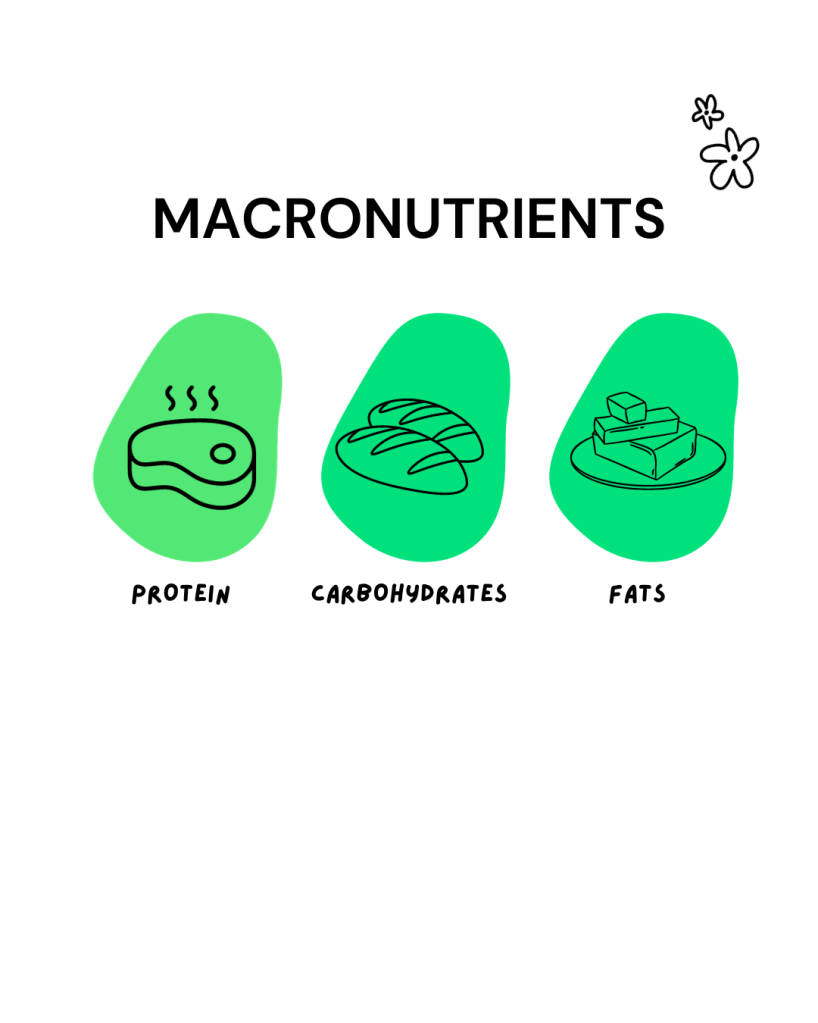
The first step in understanding nutrition is knowing about macronutrients, the three major components of our diet:
a. Carbohydrates: Carbs are the body’s primary source of energy. They come from foods like bread, pasta, rice, and fruits. Opt for complex carbs (whole grains) over simple carbs (sugary snacks) for sustained energy.
b. Proteins: Proteins are essential for tissue repair and muscle growth. Sources include lean meats, fish, eggs, dairy, and plant-based options like tofu and legumes.
c. Fats: Fats are vital for overall health, providing energy and supporting various bodily functions. Healthy fats come from sources like avocados, nuts, and olive oil.
Micronutrients: The Tiny Powerhouses
Micronutrients are the vitamins and minerals that our body requires in smaller quantities but are crucial for various processes. They can be found in a wide range of foods. Here are some key micronutrients:
a. Vitamin C: Found in citrus fruits, strawberries, and bell peppers, it boosts the immune system.
b. Calcium: Dairy products, leafy greens, and fortified foods are excellent sources for strong bones.
c. Iron: Lean meats, beans, and fortified cereals help in oxygen transport in the blood.
d. Vitamin D: Sunlight, fatty fish, and fortified products support bone health and immune function.

Hydration: The Elixir of Life
Water is a fundamental part of nutrition. It helps transport nutrients, maintain body temperature, and eliminate waste. Drinking enough water daily is essential for overall well-being. The general recommendation is to aim for 8-10 cups of water a day, but individual needs may vary.
Portion Control: Less is Often More
Overeating, even healthy foods, can lead to weight gain and health issues. Portion control is key. Learn to recognize appropriate portion sizes for different foods. Mindful eating can help you listen to your body’s hunger and fullness cues.
Balanced Diet: The Secret to Success
A balanced diet includes a variety of foods from all food groups. Incorporate fruits, vegetables, lean proteins, whole grains, and healthy fats into your meals. This approach ensures you get all the necessary nutrients and maintain a healthy weight.
Dietary Restrictions and Allergies
Individual dietary needs vary. Some people may have food allergies, intolerances, or ethical dietary restrictions like vegetarianism or veganism. It’s important to plan your meals accordingly and consult with a healthcare professional if you have specific dietary concerns.
Conclusion
Understanding the basics of nutrition is the first step toward a healthier lifestyle. By mastering macronutrients, micronutrients, hydration, portion control, and balance, you can make informed food choices that benefit your well-being. Remember, there is no one-size-fits-all approach to nutrition, and it’s essential to listen to your body’s unique needs. With the right knowledge and habits, you can take control of your health and start your journey towards a healthier you.
Need help?
Having a coach can be very helpful in keeping the basic goals clear and providing support throughout the process.
 Basic Body Solutions
Leave a comment